

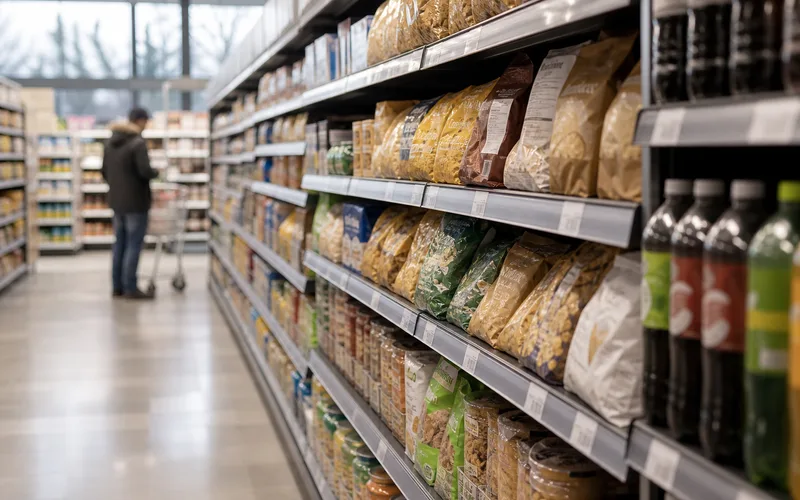
Debates about ultra-processed foods often collapse into a familiar trap: either people should simply “eat better,” or governments should ban everything that comes in a package. Neither framing matches the evidence. Ultra-processed products already supply a large share of dietary energy in many high-income countries; a growing body of observational epidemiology links higher intake with poorer health outcomes; and food environments make healthier defaults hard to reach for people with the least time, money, and retail choice. The useful question is not whether individuals have any agency — they do — but whether public health can keep treating a structural exposure as a private moral failing.Οι συζητήσεις για τα υπερ-επεξεργασμένα τρόφιμα συχνά καταλήγουν σε μια γνώριμη παγίδα: είτε οι άνθρωποι πρέπει απλώς να «τρώνε καλύτερα», είτε οι κυβερνήσεις πρέπει να απαγορεύσουν ό,τι έρχεται σε συσκευασία. Καμία από τις δύο διατυπώσεις δεν ταιριάζει με τα τεκμήρια. Τα υπερ-επεξεργασμένα προϊόντα ήδη καλύπτουν μεγάλο μερίδιο της διατροφικής ενέργειας σε πολλές χώρες υψηλού εισοδήματος· μια αυξανόμενη βάση παρατηρησιακής επιδημιολογίας συνδέει υψηλότερη πρόσληψη με χειρότερες εκβάσεις υγείας· και τα διατροφικά περιβάλλοντα καθιστούν δύσκολη την υγιεινότερη επιλογή για όσους έχουν λιγότερο χρόνο, χρήμα και επιλογές στην αγορά. Το χρήσιμο ερώτημα δεν είναι αν τα άτομα έχουν οποιαδήποτε δυνατότητα επιλογής — έχουν — αλλά αν η δημόσια υγεία μπορεί να συνεχίζει να αντιμετωπίζει μια διαρθρωτική έκθεση ως ιδιωτική ηθική αποτυχία.
Key takeawaysΒασικά συμπεράσματα
- Nationally representative surveys summarised in The BMJ put adult ultra-processed energy intake near 58% in the United States and 57% in the United Kingdom, versus about 15% in Romania and 16% in Colombia.Εθνικά αντιπροσωπευτικές έρευνες που συνοψίζει το The BMJ τοποθετούν την ενεργειακή πρόσληψη από υπερ-επεξεργασμένα τρόφιμα στους ενηλίκους κοντά στο 58% στις ΗΠΑ και στο 57% στο Ηνωμένο Βασίλειο, έναντι περίπου 15% στη Ρουμανία και 16% στην Κολομβία.
- A 2024 BMJ umbrella review found direct associations between higher ultra-processed food exposure and 32 of 45 health parameters examined, including mortality and cardiometabolic outcomes — with most GRADE ratings still low or very low because the evidence is largely observational.Ομπρελοειδής ανασκόπηση του BMJ το 2024 βρήκε άμεσες συσχετίσεις μεταξύ υψηλότερης έκθεσης σε υπερ-επεξεργασμένα τρόφιμα και 32 από τα 45 παραμέτρους υγείας που εξετάστηκαν, συμπεριλαμβανομένων της θνησιμότητας και καρδιομεταβολικών εκβάσεων — με τις περισσότερες βαθμολογήσεις GRADE ακόμη χαμηλές ή πολύ χαμηλές, επειδή τα τεκμήρια είναι κυρίως παρατηρησιακά.
- FAO and WHO state that associations appear to go beyond fat, sugar and salt alone, while noting that an acceptable level of ultra-processed food intake has not yet been defined — and WHO is developing formal guidance.Ο FAO και ο WHO αναφέρουν ότι οι συσχετίσεις φαίνεται να υπερβαίνουν μόνα τους το λίπος, τη ζάχαρη και το αλάτι, σημειώνοντας παράλληλα ότι δεν έχει ακόμη οριστεί αποδεκτό επίπεδο πρόσληψης υπερ-επεξεργασμένων τροφίμων — και ο WHO αναπτύσσει επίσημη καθοδήγηση.
What “ultra-processed” actually meansΤι σημαίνει στην πράξη το «υπερ-επεξεργασμένο»
In the research summarised by FAO, WHO and major journals, “ultra-processed foods” usually refers to Nova group 4: industrial formulations made mostly from substances extracted or derived from foods, plus additives used to shape taste, texture, colour and shelf life, with little intact whole food remaining. Soft drinks, packaged snacks, many ready meals, reconstituted meat products and sweetened breakfast cereals are typical examples — not every food that has been cooked, canned, pasteurised or frozen. That distinction matters. Criticising ultra-processing is not an argument against food safety, preservation, or cooking. It is an argument about a specific industrial dietary pattern that has become ordinary in many markets.Στην έρευνα που συνοψίζουν ο FAO, ο WHO και μεγάλα επιστημονικά περιοδικά, τα «υπερ-επεξεργασμένα τρόφιμα» συνήθως αναφέρονται στην ομάδα 4 του συστήματος Nova: βιομηχανικές συνθέσεις που αποτελούνται κυρίως από ουσίες που εξάγονται ή παράγονται από τρόφιμα, μαζί με πρόσθετα που διαμορφώνουν γεύση, υφή, χρώμα και διάρκεια ζωής, με ελάχιστο άθικτο ολόκληρο τρόφιμο. Αναψυκτικά, συσκευασμένα σνακ, πολλά έτοιμα γεύματα, ανασυσταμένα προϊόντα κρέατος και γλυκισμένα δημητριακά πρωινού είναι τυπικά παραδείγματα — όχι κάθε τρόφιμο που έχει μαγειρευτεί, κονσερβοποιηθεί, παστεριωθεί ή καταψυχθεί. Η διάκριση έχει σημασία. Η κριτική στην υπερ-επεξεργασία δεν είναι επιχείρημα κατά της ασφάλειας τροφίμων, της συντήρησης ή της μαγειρικής. Είναι επιχείρημα για ένα συγκεκριμένο βιομηχανικό διατροφικό πρότυπο που έχει γίνει συνηθισμένο σε πολλές αγορές.
Classification is still imperfect. Products can be hard to assign from labels alone, and Nova is not the only way to think about diet quality. WHO is now developing a guideline on ultra-processed food consumption precisely because Member States need clearer operational tools. Uncertainty about the perfect regulatory definition does not erase the pattern already visible in consumption and health data.Η ταξινόμηση παραμένει ατελής. Τα προϊόντα μπορεί να είναι δύσκολο να καταταγούν μόνο από τις ετικέτες, και το Nova δεν είναι ο μόνος τρόπος να σκεφτούμε την ποιότητα της διατροφής. Ο WHO αναπτύσσει τώρα κατευθυντήρια γραμμή για την κατανάλωση υπερ-επεξεργασμένων τροφίμων ακριβώς επειδή τα κράτη μέλη χρειάζονται σαφέστερα επιχειρησιακά εργαλεία. Η αβεβαιότητα για τον τέλειο ρυθμιστικό ορισμό δεν ακυρώνει το πρότυπο που ήδη φαίνεται στα δεδομένα κατανάλωσης και υγείας.
How large a share of diets they already occupyΠόσο μεγάλο μερίδιο των διατροφών καλύπτουν ήδη
If ultra-processed foods were a niche habit of a few careless shoppers, personal responsibility might be a sufficient story. The consumption data say otherwise. A 2024 BMJ analysis of cardiometabolic risk and policy, drawing on nationally representative dietary surveys, reports adult ultra-processed energy intake of about 58% in the United States and as low as 16% in Colombia, with European adult estimates ranging from roughly 15% in Romania to 57% in the United Kingdom. Those gaps are too large to explain as national differences in “willpower.” They track food systems, retail environments, prices, marketing, and the commercial availability of cheap, convenient calories.Αν τα υπερ-επεξεργασμένα τρόφιμα ήταν συνήθεια μιας μειοψηφίας απρόσεκτων καταναλωτών, η ατομική ευθύνη μπορεί να αρκούσε ως αφήγημα. Τα δεδομένα κατανάλωσης λένε κάτι άλλο. Ανάλυση του BMJ το 2024 για καρδιομεταβολικό κίνδυνο και πολιτική, με βάση εθνικά αντιπροσωπευτικές διατροφικές έρευνες, αναφέρει ενεργειακή πρόσληψη ενηλίκων από υπερ-επεξεργασμένα τρόφιμα περίπου 58% στις Ηνωμένες Πολιτείες και μόλις 16% στην Κολομβία, ενώ στην Ευρώπη οι εκτιμήσεις για ενηλίκους κυμαίνονται από περίπου 15% στη Ρουμανία έως 57% στο Ηνωμένο Βασίλειο. Τέτοια χάσματα είναι υπερβολικά μεγάλα για να εξηγηθούν ως εθνικές διαφορές στη «δύναμη θέλησης». Αντικατοπτρίζουν συστήματα τροφίμων, περιβάλλοντα λιανικής, τιμές, μάρκετινγκ και την εμπορική διαθεσιμότητα φθηνών, βολικών θερμίδων.
Source: Touvier et al., The BMJ (2024), summarising nationally representative dietary surveys. Πηγή: Touvier και συν., The BMJ (2024), σύνοψη εθνικά αντιπροσωπευτικών διατροφικών ερευνών.
That cross-country contrast is the first public-health clue. Where ultra-processed products dominate the food supply, asking households to opt out one shopping trip at a time is a weak control strategy. Where diets still rest more on culinary preparations and less industrial reformulation, population exposure is lower — and so is the room for pretending that high intake is merely a personal lifestyle preference.Αυτή η διακρατική αντίθεση είναι η πρώτη ένδειξη για τη δημόσια υγεία. Όπου τα υπερ-επεξεργασμένα προϊόντα κυριαρχούν στην προσφορά τροφίμων, το να ζητάμε από τα νοικοκυριά να «βγουν έξω» από αυτά σε κάθε επίσκεψη στο σούπερ μάρκετ είναι ασθενής στρατηγική ελέγχου. Όπου οι διατροφές στηρίζονται ακόμη περισσότερο σε μαγειρικές παρασκευές και λιγότερο στη βιομηχανική ανασύνθεση, η πληθυσμιακή έκθεση είναι χαμηλότερη — και μικραίνει το περιθώριο να παρουσιάζουμε την υψηλή πρόσληψη ως απλή ατομική προτίμηση τρόπου ζωής.
What the health evidence shows — and where caution belongsΤι δείχνουν τα τεκμήρια υγείας — και πού χρειάζεται προσοχή
In February 2024, Lane and colleagues published an umbrella review in The BMJ of 45 unique pooled analyses covering nearly 10 million participants. Direct associations appeared for 32 (71%) of the health parameters spanning mortality, cancer, and mental, respiratory, cardiovascular, gastrointestinal and metabolic outcomes. Highly suggestive evidence linked greater ultra-processed food exposure with higher all-cause mortality (risk ratio 1.21, 95% CI 1.15 to 1.27; GRADE low). Convincing credibility criteria supported associations with cardiovascular disease–related mortality (risk ratio 1.50, 1.37 to 1.63) and a dose–response association with type 2 diabetes (risk ratio 1.12, 1.11 to 1.13; GRADE moderate), among others — while GRADE ratings for many endpoints remained low or very low because almost all underlying studies are observational.Τον Φεβρουάριο του 2024, οι Lane και συνεργάτες δημοσίευσαν στο The BMJ ομπρελοειδή ανασκόπηση 45 διακριτών συγκεντρωτικών αναλύσεων με σχεδόν 10 εκατομμύρια συμμετέχοντες. Εμφανίστηκαν άμεσες συσχετίσεις για 32 (71%) από τις παραμέτρους υγείας που καλύπτουν θνησιμότητα, καρκίνο και εκβάσεις ψυχικής, αναπνευστικής, καρδιαγγειακής, γαστρεντερικής και μεταβολικής υγείας. Ισχυρά ενδεικτικά τεκμήρια συνέδεσαν μεγαλύτερη έκθεση σε υπερ-επεξεργασμένα τρόφιμα με υψηλότερη συνολική θνησιμότητα (λόγος κινδύνου 1,21, 95% ΔΕ 1,15 έως 1,27· GRADE χαμηλό). Τα κριτήρια αξιοπιστίας «convincing» στήριξαν συσχετίσεις με θνησιμότητα από καρδιαγγειακή νόσο (λόγος κινδύνου 1,50, 1,37 έως 1,63) και συσχέτιση δόσης–απόκρισης με σακχαρώδη διαβήτη τύπου 2 (λόγος κινδύνου 1,12, 1,11 έως 1,13· GRADE μέτριο), μεταξύ άλλων — ενώ πολλές βαθμολογήσεις GRADE παρέμειναν χαμηλές ή πολύ χαμηλές, επειδή σχεδόν όλες οι υποκείμενες μελέτες είναι παρατηρησιακές.
Umbrella review pooled risk ratio 1.21 for all-cause mortality with greater ultra-processed food exposure (95% confidence interval 1.15 to 1.27; GRADE low). Συγκεντρωτικός λόγος κινδύνου 1,21 για συνολική θνησιμότητα με μεγαλύτερη έκθεση σε υπερ-επεξεργασμένα τρόφιμα (95% διάστημα εμπιστοσύνης 1,15 έως 1,27· GRADE χαμηλό).
all-cause mortality (95% CI 1.15–1.27; GRADE low) — Lane et al., BMJ 2024συνολική θνησιμότητα (95% ΔΕ 1,15–1,27· GRADE χαμηλό) — Lane και συν., BMJ 2024
Source: Lane et al., The BMJ (2024), umbrella review of epidemiological meta-analyses. Πηγή: Lane και συν., The BMJ (2024), ομπρελοειδής ανασκόπηση επιδημιολογικών μετα-αναλύσεων.
That mix of signal and caution is exactly where serious public health writing should sit. Residual confounding, dietary measurement error and reverse causation cannot be wished away. Long-term randomised trials that assign people to decades of ultra-processed diets for hard clinical endpoints are neither ethical nor realistic. The practical implication is not “ignore the associations until certainty is absolute.” It is to treat converging observational evidence, mechanistic plausibility and rising population exposure as a prevention problem worth acting on — while staying honest about uncertainty and continuing research.Αυτός ο συνδυασμός σήματος και επιφύλαξης είναι ακριβώς το σημείο όπου οφείλει να σταθεί ένα σοβαρό κείμενο δημόσιας υγείας. Η υπολειπόμενη σύγχυση παραγόντων, το σφάλμα μέτρησης της διατροφής και η αντίστροφη αιτιότητα δεν εξαφανίζονται με ευχές. Μακροχρόνιες τυχαιοποιημένες δοκιμές που θα εξέθεταν ανθρώπους για δεκαετίες σε υπερ-επεξεργασμένες διατροφές με σκληρά κλινικά καταληκτικά σημεία δεν είναι ούτε ηθικές ούτε ρεαλιστικές. Η πρακτική συνέπεια δεν είναι «να αγνοήσουμε τις συσχετίσεις μέχρι η βεβαιότητα να γίνει απόλυτη». Είναι να αντιμετωπίσουμε τη σύγκλιση παρατηρησιακών τεκμηρίων, τη μηχανιστική ευλογοφάνεια και την αυξανόμενη πληθυσμιακή έκθεση ως πρόβλημα πρόληψης που αξίζει δράση — παραμένοντας ειλικρινείς για την αβεβαιότητα και συνεχίζοντας την έρευνα.
FAO and WHO’s 2024 joint statement on healthy diets reaches a similar balance. It notes a large and growing body of evidence linking Nova ultra-processed foods with negative outcomes — including premature mortality, cancer, cardiovascular disease, overweight, obesity and type 2 diabetes — and states that associations appear to go beyond fat, sodium and sugar content alone. It also states plainly that an acceptable level of ultra-processed food consumption has not yet been defined and that further research is needed. That is not a licence for panic, nor a reason to wait indefinitely while exposure stays high.Η κοινή δήλωση FAO και WHO του 2024 για τις υγιεινές διατροφές καταλήγει σε παρόμοια ισορροπία. Σημειώνει μια μεγάλη και αυξανόμενη βάση τεκμηρίων που συνδέει τα υπερ-επεξεργασμένα τρόφιμα κατά Nova με αρνητικές εκβάσεις — συμπεριλαμβανομένων πρόωρης θνησιμότητας, καρκίνου, καρδιαγγειακής νόσου, υπέρβαρου, παχυσαρκίας και σακχαρώδους διαβήτη τύπου 2 — και αναφέρει ότι οι συσχετίσεις φαίνεται να υπερβαίνουν μόνα τους την περιεκτικότητα σε λίπος, νάτριο και ζάχαρη. Δηλώνει επίσης καθαρά ότι δεν έχει ακόμη οριστεί αποδεκτό επίπεδο κατανάλωσης υπερ-επεξεργασμένων τροφίμων και ότι χρειάζεται περαιτέρω έρευνα. Αυτό δεν είναι άδεια για πανικό, ούτε λόγος για ατέρμονη αναμονή όσο η έκθεση παραμένει υψηλή.
Why “just eat better” is an incomplete answerΓιατί το «απλώς φάτε καλύτερα» είναι ατελής απάντηση
Individual choices still matter. People can often shift some purchases, cook more when circumstances allow, and reduce sugary drinks. Public health communication that helps people recognise ultra-processed products is useful. But choice is exercised inside markets. When ultra-processed foods are cheaper per calorie, more heavily marketed, more shelf-stable, and more available in time-poor neighbourhoods, “responsibility” becomes a demand that the least resourced households compensate for commercial food environments designed around convenience and profit.Οι ατομικές επιλογές εξακολουθούν να έχουν σημασία. Οι άνθρωποι μπορούν συχνά να αλλάξουν ορισμένες αγορές, να μαγειρεύουν περισσότερο όταν το επιτρέπουν οι συνθήκες και να μειώσουν τα ζαχαρούχα ποτά. Η επικοινωνία δημόσιας υγείας που βοηθά στην αναγνώριση υπερ-επεξεργασμένων προϊόντων είναι χρήσιμη. Όμως η επιλογή ασκείται μέσα σε αγορές. Όταν τα υπερ-επεξεργασμένα τρόφιμα είναι φθηνότερα ανά θερμίδα, προωθούνται εντονότερα, διατηρούνται περισσότερο στο ράφι και είναι πιο διαθέσιμα σε γειτονιές με λίγο χρόνο, η «ευθύνη» γίνεται απαίτηση να αντισταθμίσουν τα νοικοκυριά με λιγότερους πόρους εμπορικά διατροφικά περιβάλλοντα σχεδιασμένα γύρω από τη βολικότητα και το κέρδος.
Touvier and colleagues argue in The BMJ that policies to reduce ultra-processed food consumption cannot wait for perfect mechanistic certainty — precisely because exposure is already high and rising in many settings. That does not require inventing a single silver-bullet ban. It does require treating reformulation pressures, marketing restrictions (especially to children), front-of-pack labelling, fiscal measures, public procurement, and healthier food retail as population tools in the same family as sodium reduction or tobacco control: they change defaults, not only advice leaflets.Οι Touvier και συνεργάτες υποστηρίζουν στο The BMJ ότι οι πολιτικές για τη μείωση της κατανάλωσης υπερ-επεξεργασμένων τροφίμων δεν μπορούν να περιμένουν την τέλεια μηχανιστική βεβαιότητα — ακριβώς επειδή η έκθεση είναι ήδη υψηλή και αυξάνεται σε πολλά περιβάλλοντα. Αυτό δεν απαιτεί να εφεύρουμε μια μοναδική απαγόρευση ως μαγική λύση. Απαιτεί να αντιμετωπίσουμε πιέσεις για ανασύνθεση, περιορισμούς στο μάρκετινγκ (ιδίως προς παιδιά), επισήμανση στο μπροστινό μέρος της συσκευασίας, φορολογικά μέτρα, δημόσιες προμήθειες και υγιεινότερη λιανική ως εργαλεία πληθυσμιακής εμβέλειας στην ίδια οικογένεια με τη μείωση νατρίου ή τον έλεγχο του καπνού: αλλάζουν τις προεπιλογές, όχι μόνο τα φυλλάδια συμβουλών.
WHO’s decision to convene a Guideline Development Group on ultra-processed foods is itself a signal that this is no longer only a lifestyle debate. Guidance is being built because Member States face a practical governance problem: how to protect diets without confusing all processing with harm, and without leaving commercial determinants unexamined.Η απόφαση του WHO να συγκροτήσει Ομάδα Ανάπτυξης Κατευθυντήριων Γραμμών για τα υπερ-επεξεργασμένα τρόφιμα είναι από μόνη της ένδειξη ότι δεν πρόκειται πλέον μόνο για συζήτηση τρόπου ζωής. Η καθοδήγηση χτίζεται επειδή τα κράτη μέλη αντιμετωπίζουν πρακτικό πρόβλημα διακυβέρνησης: πώς να προστατεύσουν τις διατροφές χωρίς να συγχέουν κάθε επεξεργασία με βλάβη, και χωρίς να αφήνουν ανεξερεύνητους τους εμπορικούς προσδιοριστές της υγείας.
ClosingΚλείνοντας
Ultra-processed foods are both a public health risk pattern and a domain where personal agency still operates. The false choice is insisting it must be only one or the other. The evidence I keep returning to is not a single dramatic relative risk — it is the combination of very high exposure in some countries, consistent associations across many outcomes, and food environments that make avoidance unequal.Τα υπερ-επεξεργασμένα τρόφιμα είναι ταυτόχρονα πρότυπο κινδύνου για τη δημόσια υγεία και πεδίο όπου η ατομική δυνατότητα επιλογής εξακολουθεί να λειτουργεί. Το ψευτοδίλημμα είναι να επιμένουμε ότι πρέπει να είναι μόνο το ένα ή μόνο το άλλο. Το τεκμήριο στο οποίο επιστρέφω δεν είναι ένας μοναδικός εντυπωσιακός σχετικός κίνδυνος — είναι ο συνδυασμός πολύ υψηλής έκθεσης σε ορισμένες χώρες, συνεπών συσχετίσεων σε πολλές εκβάσεις και διατροφικών περιβαλλόντων που καθιστούν την αποφυγή άνιση.
The better test for policy is whether it reduces population exposure fairly and measurably — not whether it flatters a story in which every household is equally free to cook from scratch. Individuals deserve clear information. Populations deserve food systems that do not treat ultra-processing as the default path of least resistance.Το καλύτερο κριτήριο για την πολιτική είναι αν μειώνει δίκαια και μετρήσιμα την πληθυσμιακή έκθεση — όχι αν κολακεύει μια αφήγηση όπου κάθε νοικοκυριό είναι εξίσου ελεύθερο να μαγειρεύει από την αρχή. Τα άτομα αξίζουν σαφή ενημέρωση. Οι πληθυσμοί αξίζουν συστήματα τροφίμων που δεν αντιμετωπίζουν την υπερ-επεξεργασία ως την προεπιλεγμένη οδό της ελάχιστης αντίστασης.
Sources & further readingΠηγές & περαιτέρω ανάγνωση
- Lane et al. — Ultra-processed food exposure and adverse health outcomes: umbrella review (The BMJ, 2024)Lane και συν. — Έκθεση σε υπερ-επεξεργασμένα τρόφιμα και δυσμενείς εκβάσεις υγείας: ομπρελοειδής ανασκόπηση (The BMJ, 2024)
- Touvier et al. — Ultra-processed foods and cardiometabolic health: public health policies to reduce consumption cannot wait (The BMJ, 2024)Touvier και συν. — Υπερ-επεξεργασμένα τρόφιμα και καρδιομεταβολική υγεία: οι πολιτικές δημόσιας υγείας για μείωση της κατανάλωσης δεν μπορούν να περιμένουν (The BMJ, 2024)
- FAO & WHO — What are healthy diets? Joint statement (2024)FAO & WHO — Τι είναι οι υγιεινές διατροφές; Κοινή δήλωση (2024)
- WHO — Guideline Development Group for ultra-processed foods (public notice)WHO — Ομάδα Ανάπτυξης Κατευθυντήριων Γραμμών για υπερ-επεξεργασμένα τρόφιμα (δημόσια ανακοίνωση)
- Monteiro et al. / FAO — Ultra-processed foods, diet quality, and health using the NOVA classification system (2019)Monteiro και συν. / FAO — Υπερ-επεξεργασμένα τρόφιμα, ποιότητα διατροφής και υγεία με το σύστημα ταξινόμησης NOVA (2019)
- JAHA — Impact of food ultra-processing on cardiometabolic health (2025)JAHA — Επίδραση της υπερ-επεξεργασίας τροφίμων στην καρδιομεταβολική υγεία (2025)
Disclaimer: Content on this site provides general public health information for educational purposes only. It is not medical advice and does not replace consultation with a qualified healthcare professional.Αποποίηση ευθύνης: Το περιεχόμενο αυτού του ιστότοπου παρέχει γενικές πληροφορίες δημόσιας υγείας αποκλειστικά για εκπαιδευτικούς σκοπούς. Δεν αποτελεί ιατρική συμβουλή και δεν υποκαθιστά τη συμβουλή ειδικευμένου επαγγελματία υγείας.